
Company News Triiodothyronine (T3) and Reverse T3 (rT3): The Role of rT3 in Weight Loss
Triiodothyronine (T3) and Reverse T3 (rT3): The Role of rT3 in Weight Loss
When it comes to metabolism and weight management, thyroid hormones play a critical role. Triiodothyronine (T3) and Reverse T3 (rT3) are two thyroid hormones that can impact your body's ability to lose weight effectively. In this article, we will explore the functions of T3 and rT3, and how an imbalance between the two can become a stumbling block on the path to weight loss.
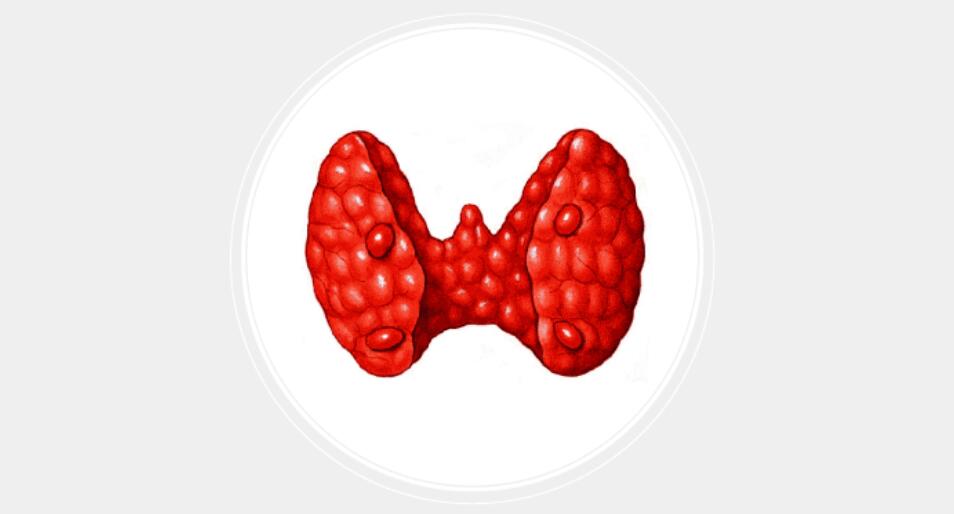
Understanding T3 and rT3
Triiodothyronine (T3):
T3 is the active form of thyroid hormone produced by the thyroid gland.
It plays a vital role in regulating the body's metabolism by increasing energy expenditure and promoting fat breakdown.
T3 levels can be influenced by various factors, including stress, diet, and physical activity.
Reverse T3 (rT3):
rT3 is an inactive form of thyroid hormone.
It is produced as a result of the conversion of T4 (another thyroid hormone) into rT3 rather than T3.
High levels of rT3 can interfere with the action of T3 and slow down metabolism.
rT3 and Weight Loss
The relationship between rT3 and weight loss can be complex:
Stress and Caloric Restriction: When the body experiences prolonged stress or a significant calorie deficit, it may produce more rT3. This is a protective mechanism that reduces metabolism to conserve energy, making it more challenging to lose weight.
Chronic Illness: Certain chronic illnesses, such as hypothyroidism and adrenal disorders, can lead to elevated rT3 levels, further hindering weight loss efforts.
Dieting Plateaus: People who engage in extreme calorie restriction diets may experience weight loss plateaus as their bodies adapt by producing more rT3. This can lead to a decrease in metabolic rate and a struggle to continue losing weight.
Managing rT3 for Weight Loss
If you suspect that rT3 is hindering your weight loss efforts, consider the following strategies:
Balanced Diet: Avoid extreme calorie restriction diets and focus on a balanced, nutrient-dense diet. Ensure you're getting enough calories to support your metabolic needs.
Stress Management: Incorporate stress-reduction techniques like meditation, yoga, or mindfulness to lower stress hormone levels, which can contribute to rT3 elevation.
Medical Evaluation: If you suspect a thyroid issue, consult with a healthcare professional who can conduct thyroid function tests to assess your T3 and rT3 levels.
Individualized Approach: Seek guidance from a healthcare provider or registered dietitian who can create a personalized weight loss plan that addresses your specific needs and potential thyroid imbalances.
While rT3 can be a stumbling block on the path to weight loss, it's important to remember that it is just one piece of the puzzle. Weight management is a complex interplay of factors, including diet, exercise, hormones, and genetics. If you suspect that rT3 is affecting your weight loss progress, consult with a healthcare professional who can provide a comprehensive evaluation and guidance to help you achieve your weight loss goals effectively
Reverse T3, rt3, rt3 weight loss, t3 and rt3, t3 weight loss
MAY BE YOU LIKE ALSO
© 2022 wpboss.cn. All rights reserved